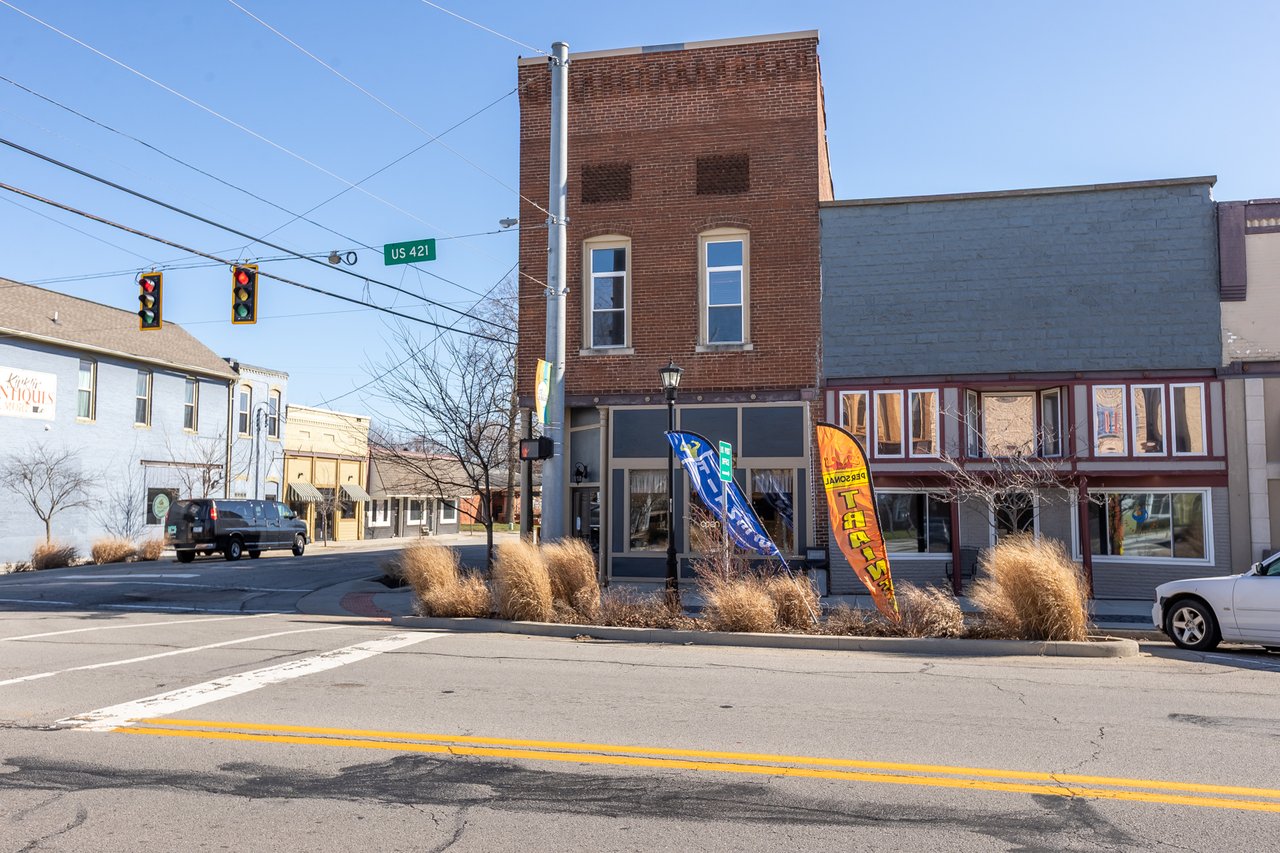
Mixed-use and small-town retail properties are gaining renewed investor attention across Indiana as buyers look for stable, income-producing assets with lower volatility than urban commercial markets. The 101 S Main Street property in Kirklin is a strong example of this asset class, combining retail storefront space with residential units in a single structure.
For investors searching mixed-use property Indiana, Main Street retail investment Indiana, or small town apartment retail building Indiana, these assets offer a unique combination of income stability and community integration.
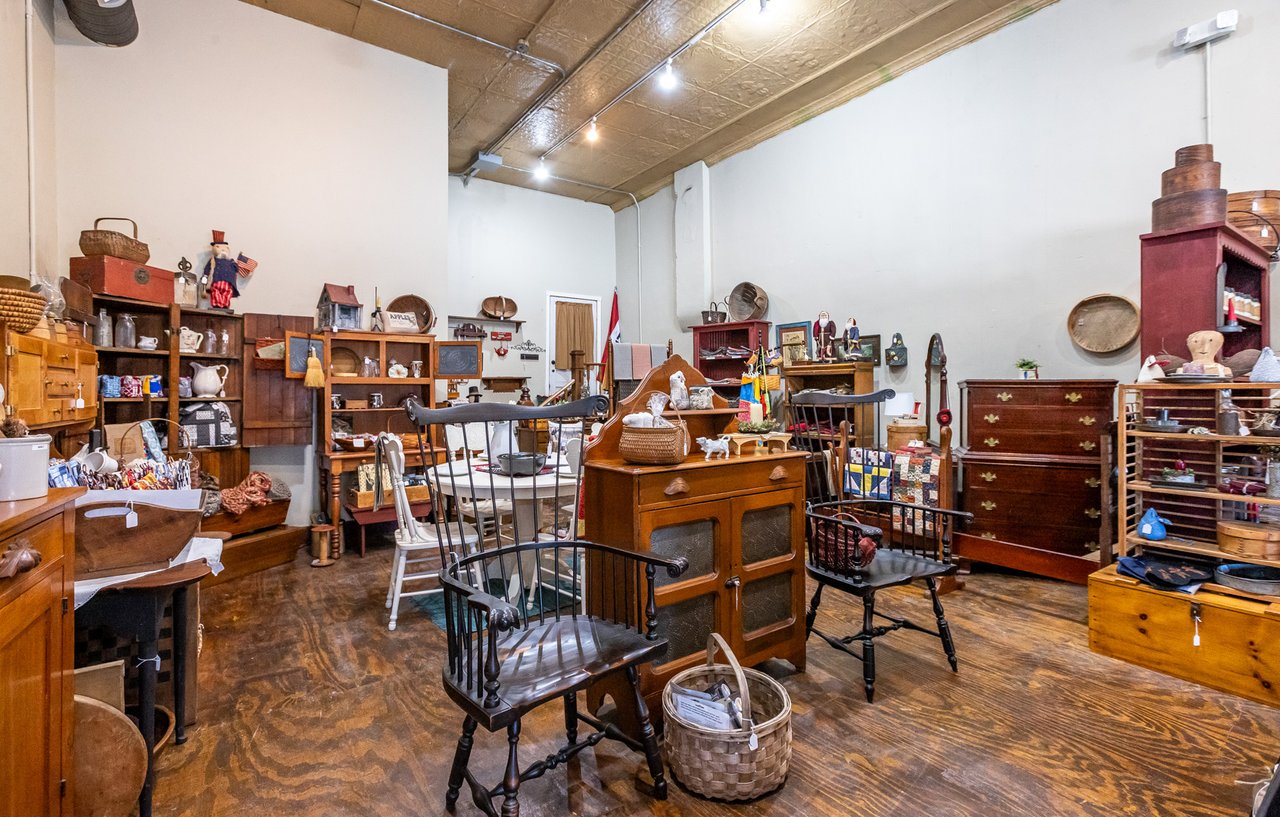
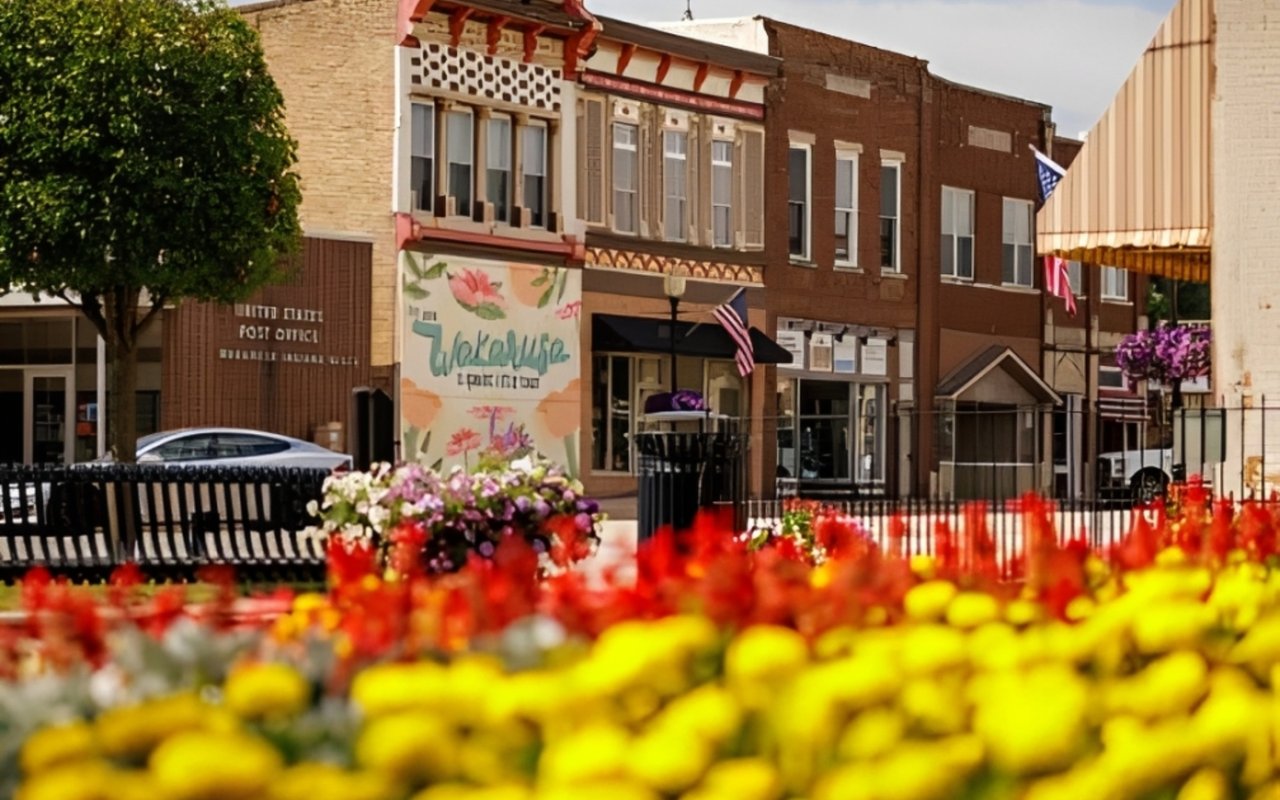
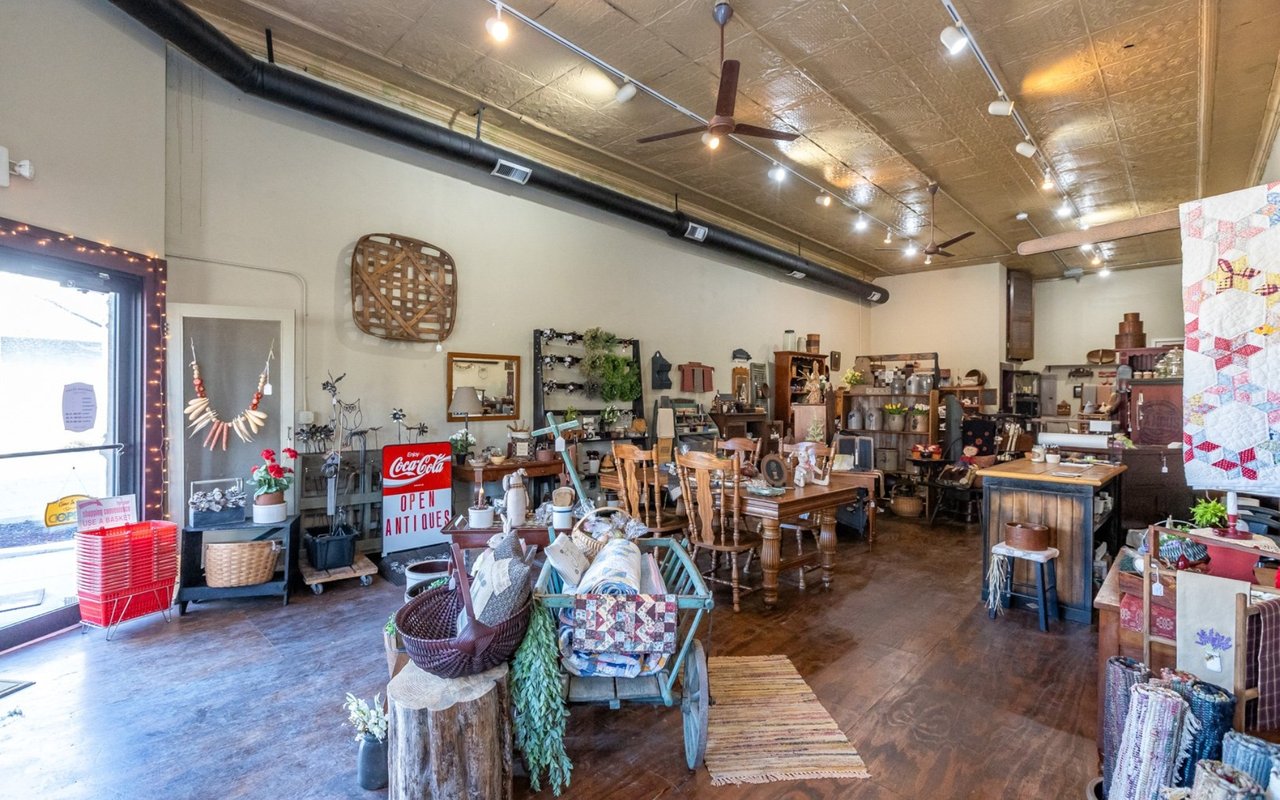
The ground-floor commercial space at 101 S Main Street is currently occupied by an antique shop, providing consistent visibility and foot traffic along Kirklin’s primary commercial corridor. In small-town markets, retail tenants often benefit from strong community ties and lower turnover compared to larger metro environments.
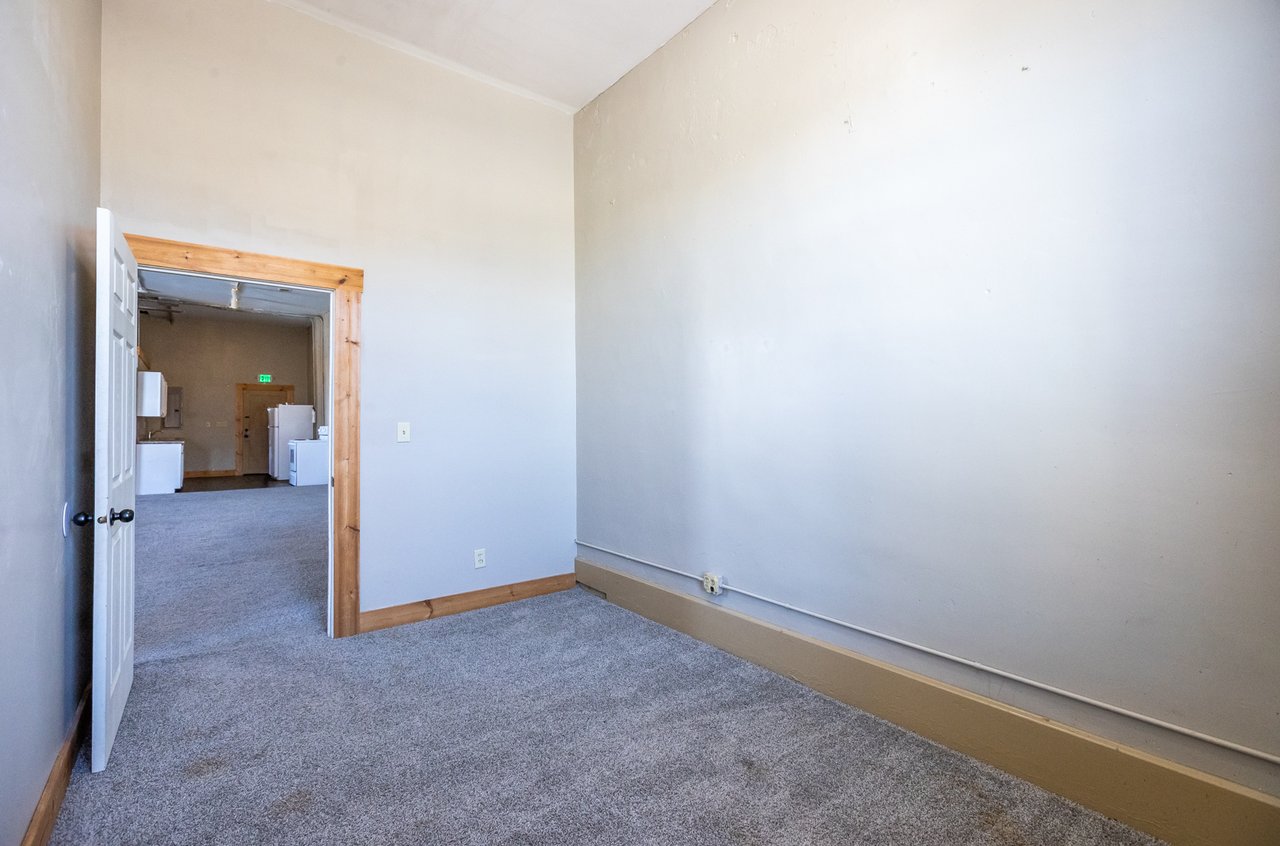
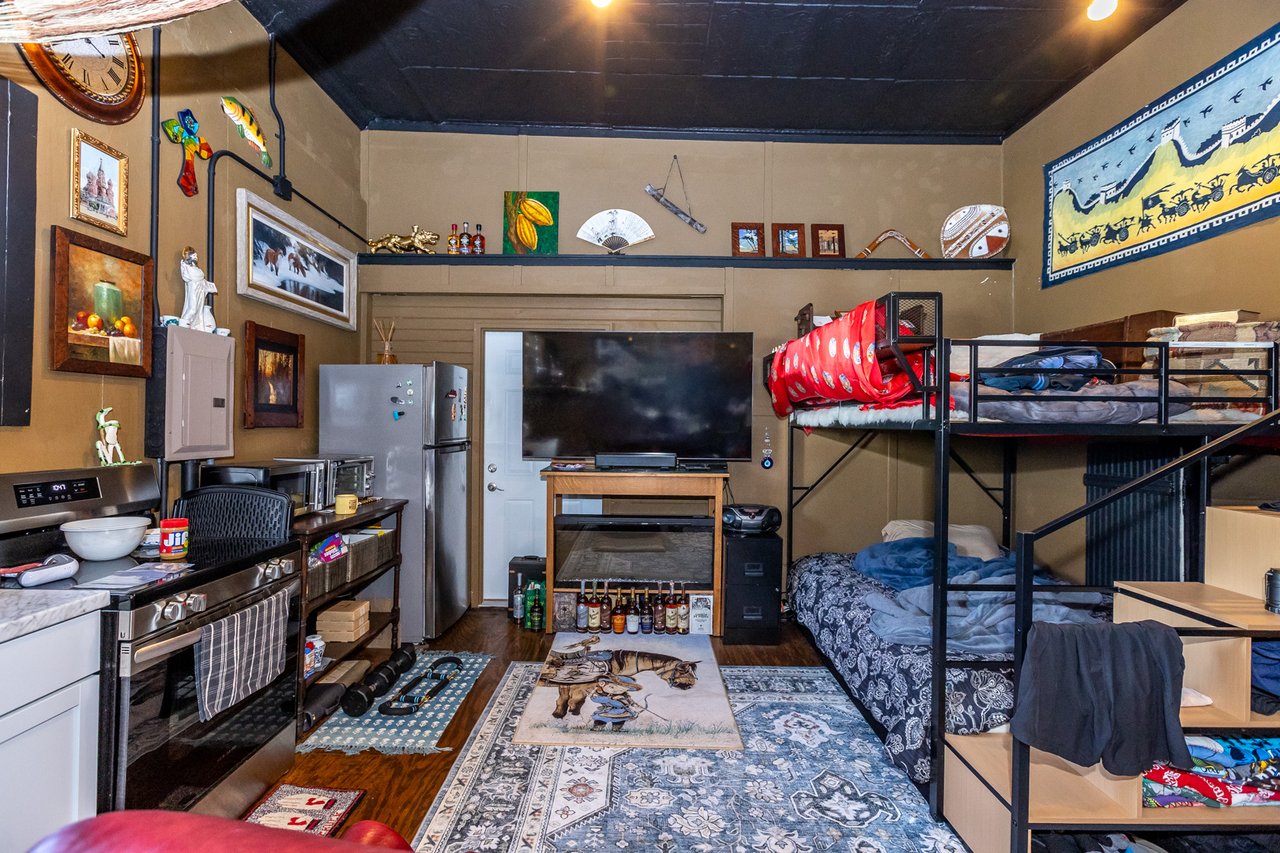
Above the commercial space are residential units that provide additional income diversification. This dual-income structure is one of the most resilient investment models available in secondary markets. When retail performance fluctuates, residential income provides stability. When housing demand shifts, retail occupancy helps balance revenue.
The building itself has seen ongoing improvements, including electrical updates and a rubber roof installation over the original structure. These enhancements improve long-term durability and reduce immediate capital requirements.
Corner positioning at Main Street and Madison Street further strengthens the asset’s visibility. Corner-lot properties consistently outperform interior parcels due to increased exposure and traffic flow from multiple directions.
For commercial real estate broker Indiana professionals, mixed-use properties are increasingly attractive because they appeal to both lifestyle investors and income-focused buyers.
Kirklin’s downtown environment supports this asset class due to its compact nature and limited commercial competition. Unlike larger cities where retail saturation is common, small towns often have fewer competing storefronts, which strengthens tenant stability.