One of the most overlooked drivers of land value in high-growth suburban markets is not current zoning, but entitlement flexibility. In Westfield, Indiana—particularly along the Grand Park corridor—developers are increasingly evaluating parcels based on their ability to support future zoning evolution rather than current permitted uses alone.
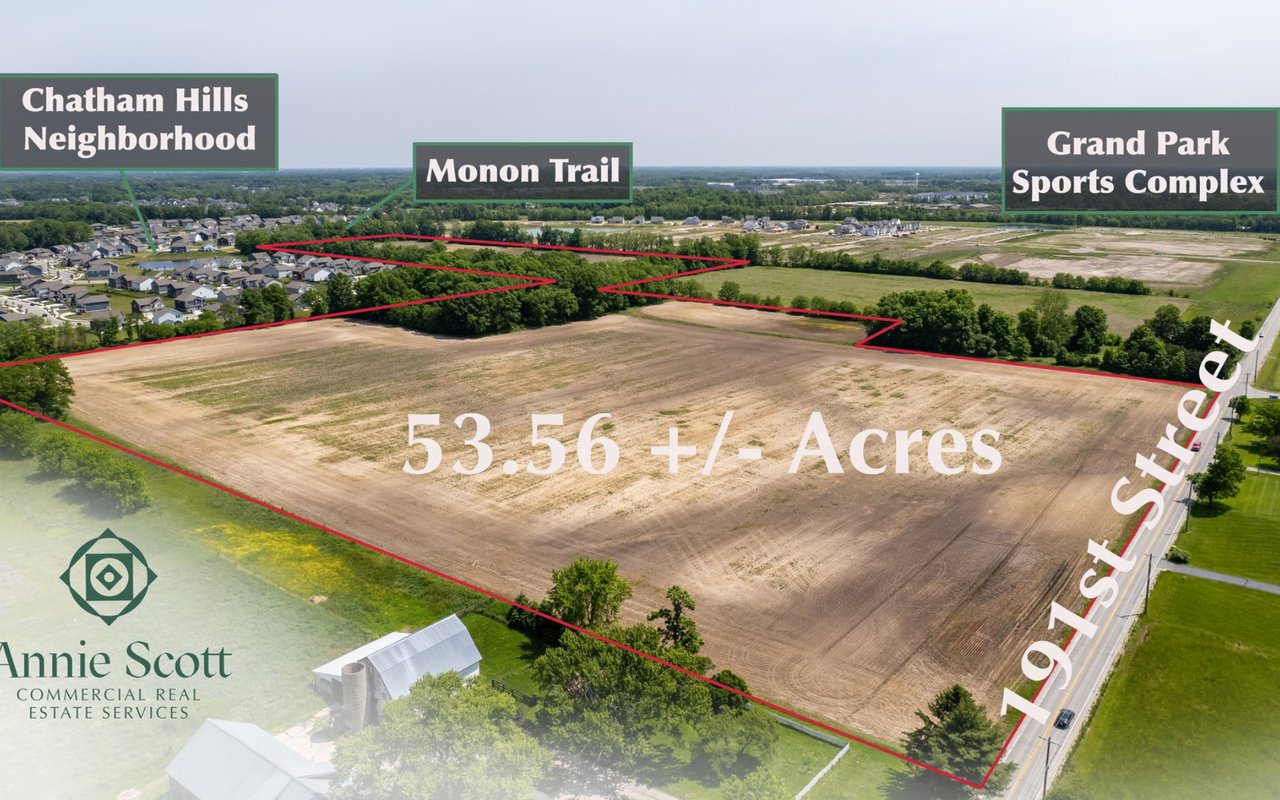
For developers searching Westfield Indiana development land, zoning opportunity Hamilton County, or mixed-use entitlement Indiana, this distinction is critical. The subject property along 191st Street sits within one of the most strategically important growth corridors in the entire county, where zoning frameworks are actively adapting to accommodate higher-density, mixed-use, and district-based planning.
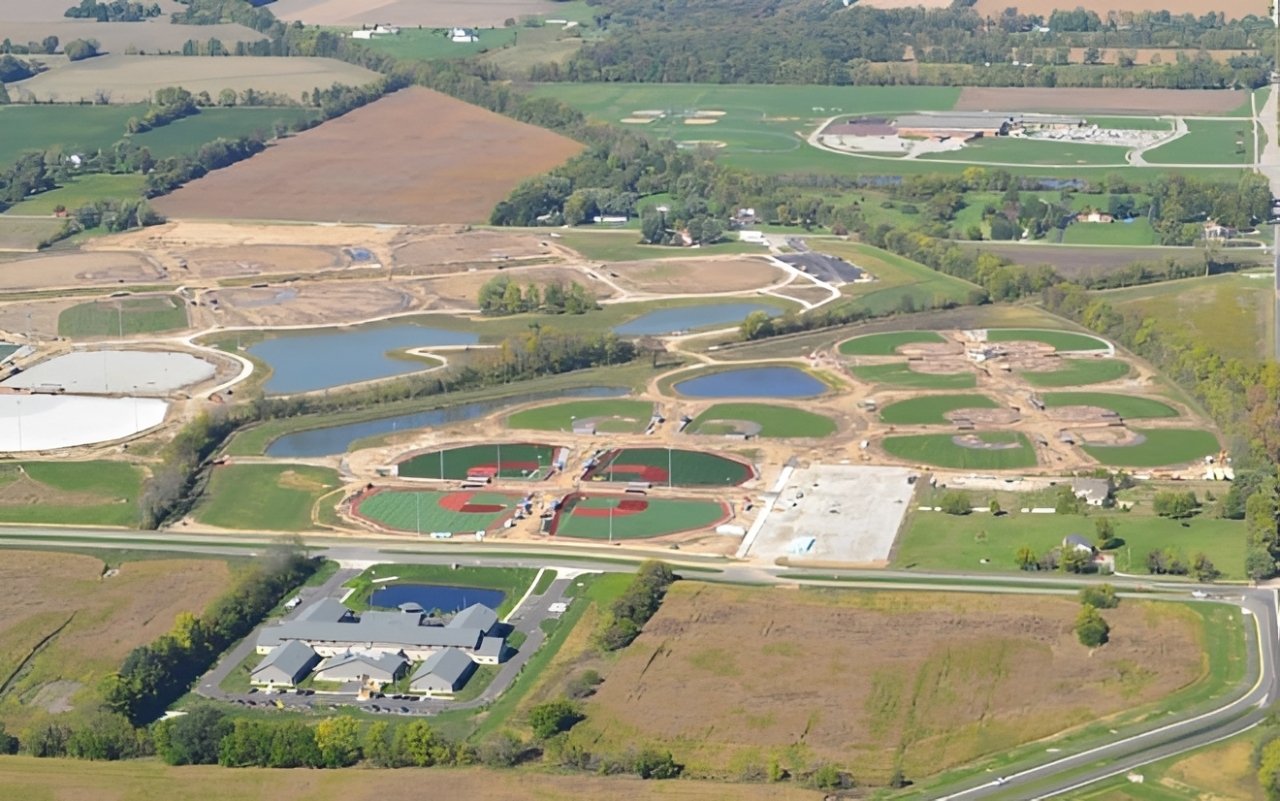
Westfield’s long-term planning direction is heavily influenced by the Grand Park District Master Plan. This plan is not static; it is a living framework that evolves alongside infrastructure investment, population growth, and tourism demand. The inclusion of a proposed 10,000-seat stadium signals a clear shift toward urban-density zoning patterns, where residential, retail, hospitality, and entertainment uses are integrated into cohesive districts.
For commercial real estate broker Westfield Indiana professionals, this type of environment is particularly valuable because entitlement upside often exceeds current land value appreciation. In other words, the zoning trajectory itself becomes part of the investment thesis.
The subject property is positioned in a corridor where future zoning flexibility is likely to expand rather than contract. As Grand Park continues to grow and surrounding residential developments intensify, municipalities typically respond by increasing allowable density and encouraging mixed-use redevelopment.
Chatham Hills adds another dimension to this zoning narrative. High-income residential communities create demand for adjacent commercial services, which often leads to zoning adjustments over time to support retail, hospitality, and professional office uses.
The Monon Trail also plays a subtle but important role in entitlement evolution. Trail-connected development corridors frequently transition toward pedestrian-friendly, mixed-use zoning categories because municipalities prioritize walkability and connectivity.
For developers, this means the value is not just in what the land can support today—but in what it will be allowed to become tomorrow.
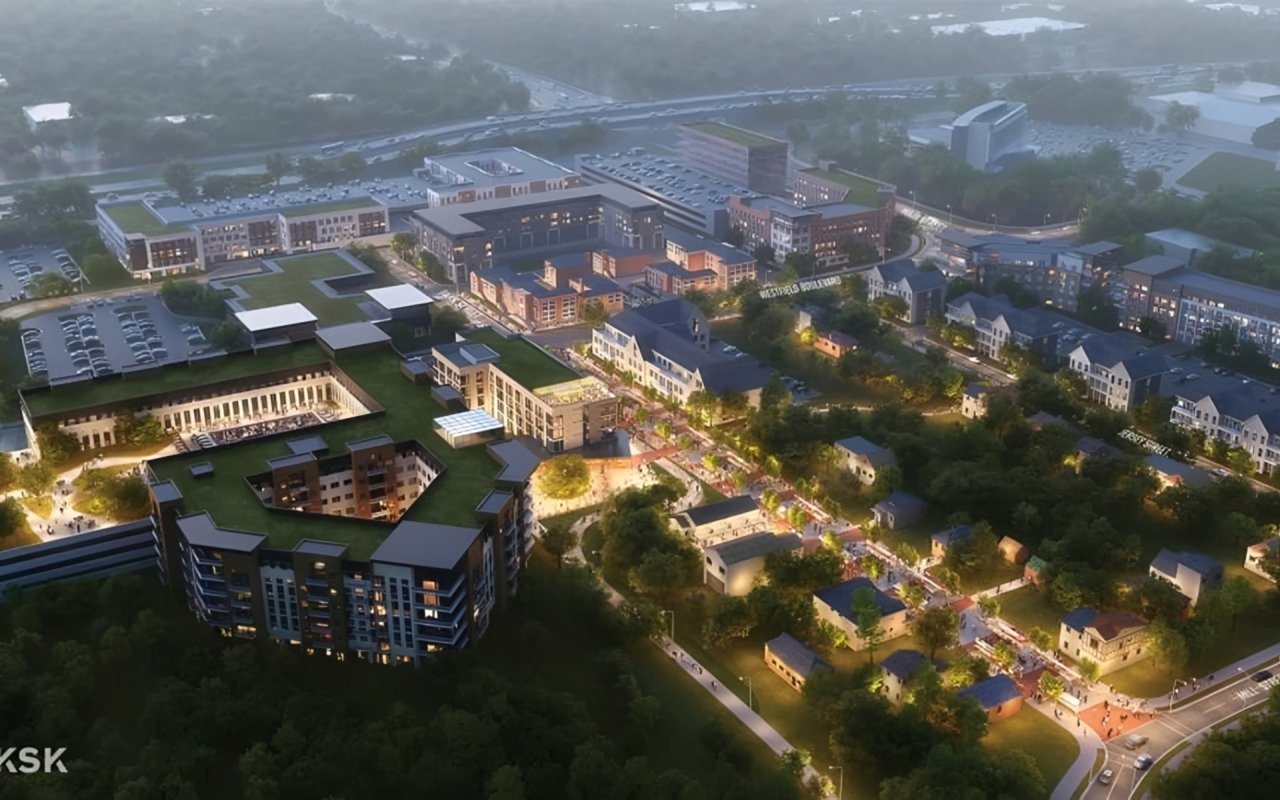
Photo: Rendering courtesy city of Westfield