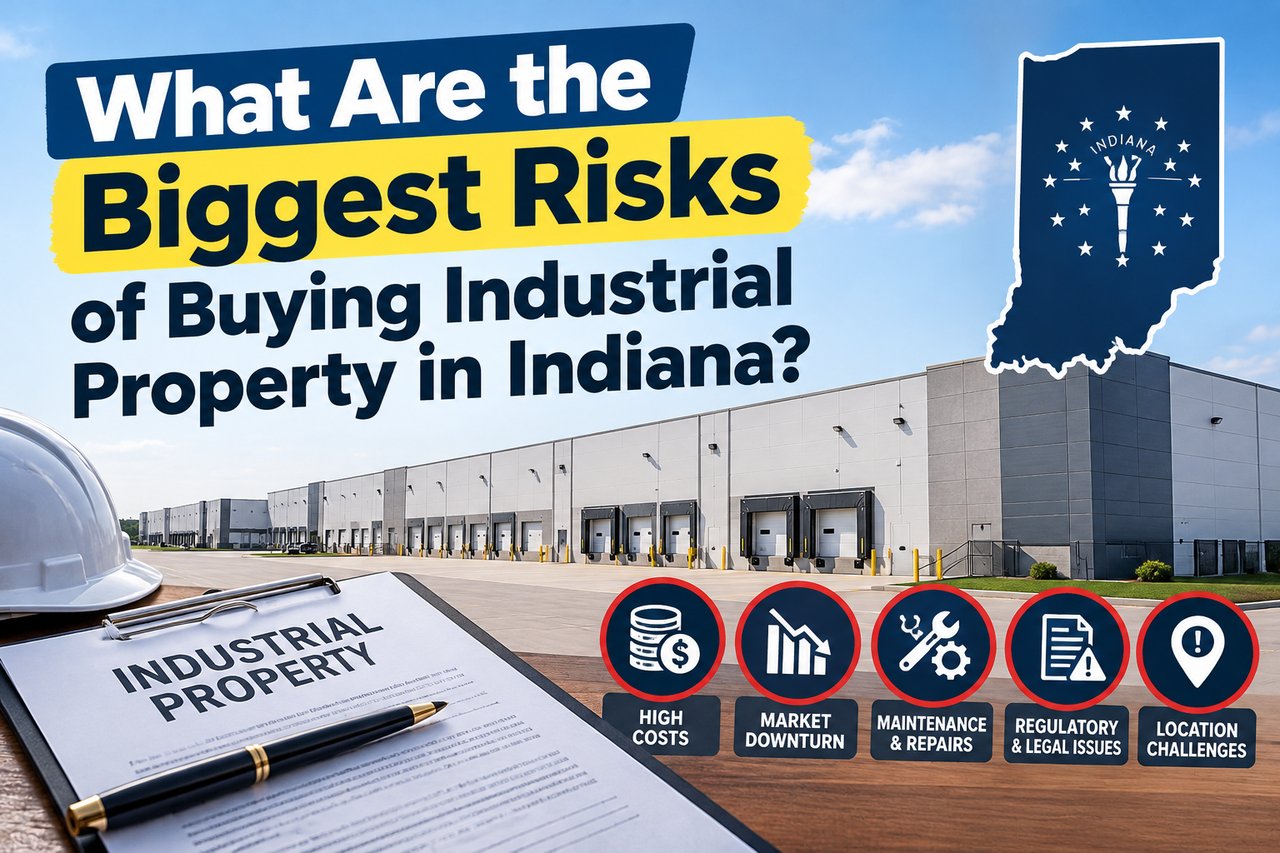
Industrial real estate has a reputation as a "set it and forget it" investment. In my experience advising buyers in Indianapolis and across Indiana, that reputation causes problems. The biggest risks of buying industrial property in Indiana are manageable — but only if you know where to look.
Risk 1: Binary vacancy
An apartment complex with 100 units rarely goes empty. A single-tenant industrial building can. If your only tenant leaves, you're covering taxes, insurance, utilities and your mortgage until you re-lease, which could take six to 18 months. Budget reserves and evaluate how quickly the building would lease to someone else.
Risk 2: Functional obsolescence
An older Indianapolis building with 16-foot ceilings, a single dock door and a cramped truck court may struggle to attract modern tenants. Before buying industrial property in Indiana, ask: if this tenant left tomorrow, who would lease it next?
Risk 3: Environmental contamination
Indiana has a long manufacturing history. Plating shops, foundries, fuel storage and auto repair can leave contamination in soil and groundwater. A Phase I Environmental Site Assessment is essential, and a Phase II may be needed. Environmental insurance can add another layer of protection.
Risk 4: Capital expenditures
Roof replacements, parking lot reconstruction, HVAC units and dock equipment are expensive. Indiana's freeze-thaw cycles are hard on roofs and pavement. Get inspections and price these items into your offer.
Risk 5: Tenant credit
Many excellent Indiana tenants are small private businesses with limited financial statements. Review financials, payment history and guarantees. A long lease is only as good as the tenant behind it.
Risk 6: Lease language
NNN is a label, not a guarantee. Some leases make the landlord responsible for roof and structural replacement. Others cap expense increases. Read every lease, amendment and estoppel.
Risk 7: Zoning and use
Confirm current zoning allows the tenant's use and any future use you plan. Hamilton County communities, in particular, restrict outdoor storage and some industrial uses.
Risk 8: Interest rates and exit values
If rates rise, buyers may pay less when you sell. Underwrite conservative exit cap rates and avoid excessive leverage.
How Indianapolis buyers reduce the risks of industrial property
• Buy in strong locations near the interstates or in supply-constrained suburbs.
• Inspect thoroughly and get environmental reports.
• Interview the tenant.
• Build reserves for vacancy and capital.
• Work with advisors who specialize in industrial.
A due diligence timeline for buying industrial property in Indiana
Most risks of buying industrial property in Indiana are uncovered during the due diligence period, which typically runs 45 to 90 days for industrial deals. Here's how I help buyers use that time:
1. Week 1: Order title, survey, Phase I environmental report and property condition assessment. Request all leases, amendments, rent rolls, tax bills and service contracts.
2. Weeks 2–4: Review leases line by line. Confirm who pays for roof, structure, HVAC and parking lot replacement. Send tenant estoppel certificates.
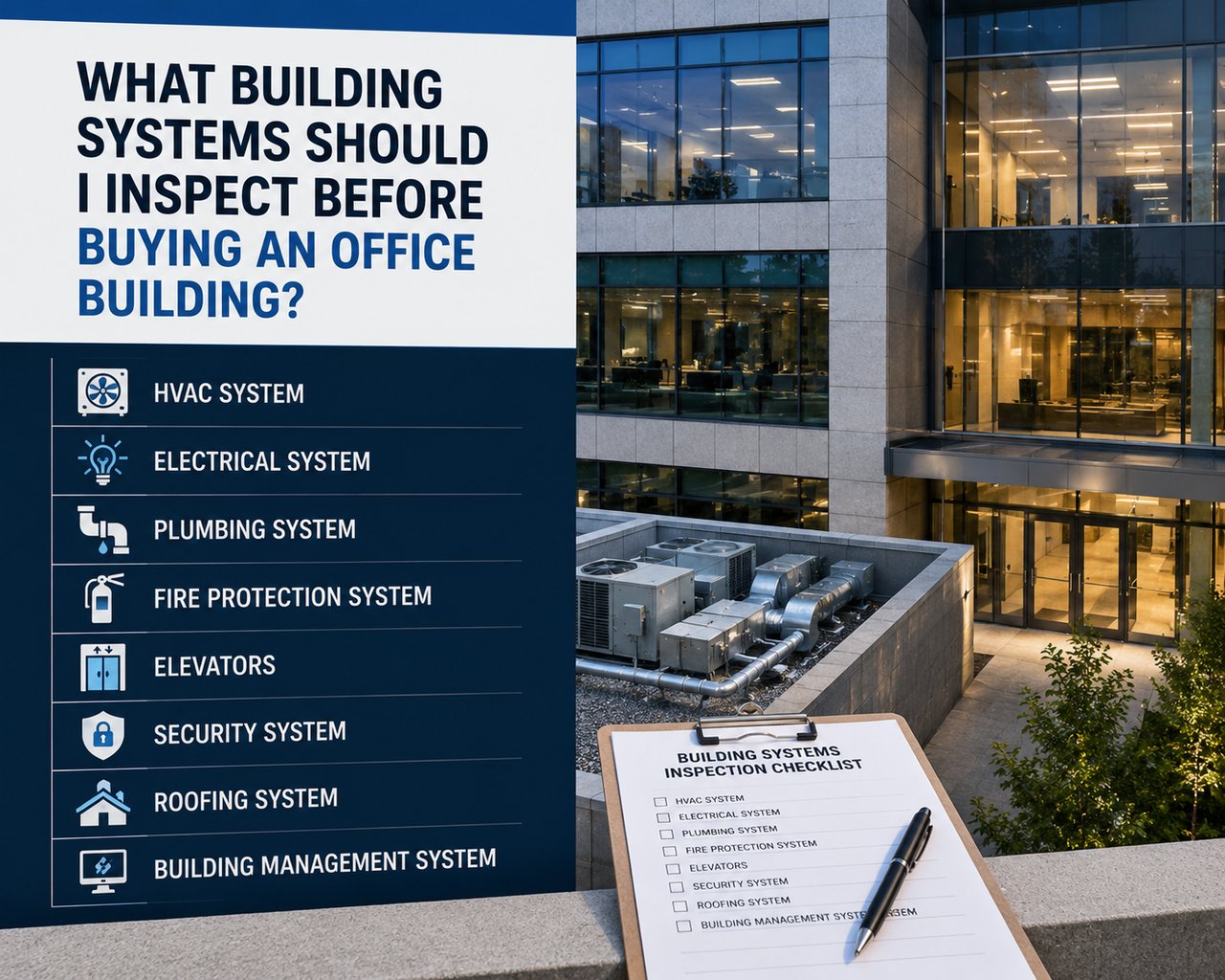
3. Weeks 3–5: Inspect the roof, slab, dock equipment, sprinklers and electrical service. Verify clear height and square footage.
4. Weeks 4–6: Review environmental results. If the Phase I recommends a Phase II, decide quickly whether to test, renegotiate or walk.
5. Weeks 5–8: Confirm zoning, finalize financing and insurance, and negotiate credits for any issues found.
Every issue uncovered is either a reason to adjust price, a reason for the seller to fix something before closing, or a reason to walk away. Buyers who skip steps to save time or money usually pay for it later.
Red flags I watch for when buying industrial property in Indiana
• Roof warranties that expired years ago, or no roof records at all
• A tenant whose lease expires within a year of closing with no renewal discussions
• Former fueling, plating or vehicle maintenance uses on or next to the site
• Rents far above current market levels that the next tenant won't pay
• Additions or mezzanines built without permits
• Utility bills that suggest the building's power is near capacity
None of these automatically kills a deal. They simply need to be understood and priced before you commit.
Frequently asked questions
Do I need a Phase I environmental report to buy industrial property in Indiana? Lenders almost always require one, and every buyer should get one.
How much should I reserve for vacancy? It depends on the building, but plan for months of carrying costs plus leasing commissions and improvements.
Are older industrial buildings bad investments? Not necessarily. Many perform well if priced right and located well.
Buy industrial property in Indiana with confidence
I walk buyers through every risk of buying industrial property in Indiana — from environmental reports to lease reviews — so they close with clear eyes and strong terms.
Annie Scott — Annie Scott Realty Group LLC / F.C. Tucker Company Cell: (317) 902-8622 ·